
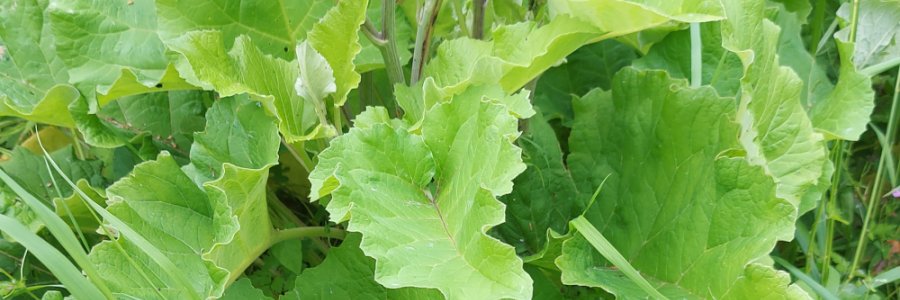
Walk at a gentle pace along most meadows and hedgerows and you will see the diversity of small leafed plants at your feet. One of the questions about the natural environment that underpins Trex Explore is "what is that and what can I do with it?", so let us introduce some of these wild plants, common in the UK and globally, which are also edible.
Survival on foraged plants alone would be challenging in the UK, but we greatly encourage learning different species and their uses, for better understanding of the natural world and its rich resources, and to rebuild connection to our forgotten past.
Foraging Law in the UK
Before we introduce the plants, a quick recap on what is and isn't permitted legally, within UK law. (Research of law in other countries is up to you!)
- legally permitted to gather items for personal consumption from designated common land (i.e. small amounts, from shared public spaces and highways)
- may only gather what is above ground - this means flowers, funghi, fruit, foliage
- need landowners permission before picking anything on all non-common land
- must not remove protected plants
Beyond adhering to these points, there is a sensible and rational guidance that when any forager gathers items, it should not be evident when the next person walks by and leaving the plant healthy - that is, only taking a few leaves/flowers/fruit/fungi from any plant.
- Countryside Act 1981 (protection, esp SSSI Schedule 8 list)
- Theft Act 1978 (removal)
- Commons Act 2006
- Other bylaws
Uses and Safety
We offer this page as an introductory guide, not as a complete and exhaustive instruction. Anyone foraging items within legal terms, must also undertake further learning and clarification of items that are gathered, to ensure personal safety of themselves and those around them.
Some caution must be observed before and while gathering and ingesting.
- Some plants have adjacent, similar family members which contain toxins.
- All plants will have different physiological effects on different people.
- Some plants may feature a mix of edible and inedible parts (leaves/flowers/fruit/stems/roots/seeds).
Common Edible UK Plants
The following plants were all found within a 10m stretch of a public footpath through a nature reserve in early Summer. This is a rich environment for all wildlife (flora and fauna), but is representative of plants found all around the UK and beyond.
| PLANT | DESCRIPTION | PHOTO |
|---|---|---|
| Nettle (Urtica Dioica) |
Known as a stinging hazard, yet has diverse culinary uses as a green vegetable, full of iron, protein, vitamin C and folic acid. The leaves can be boiled with milk, to stimulate protein breakdown for cheese making. As a herbal infusion with boiling water, nettles are great as source of anti-inflamatory and anti-histamine benefits. | 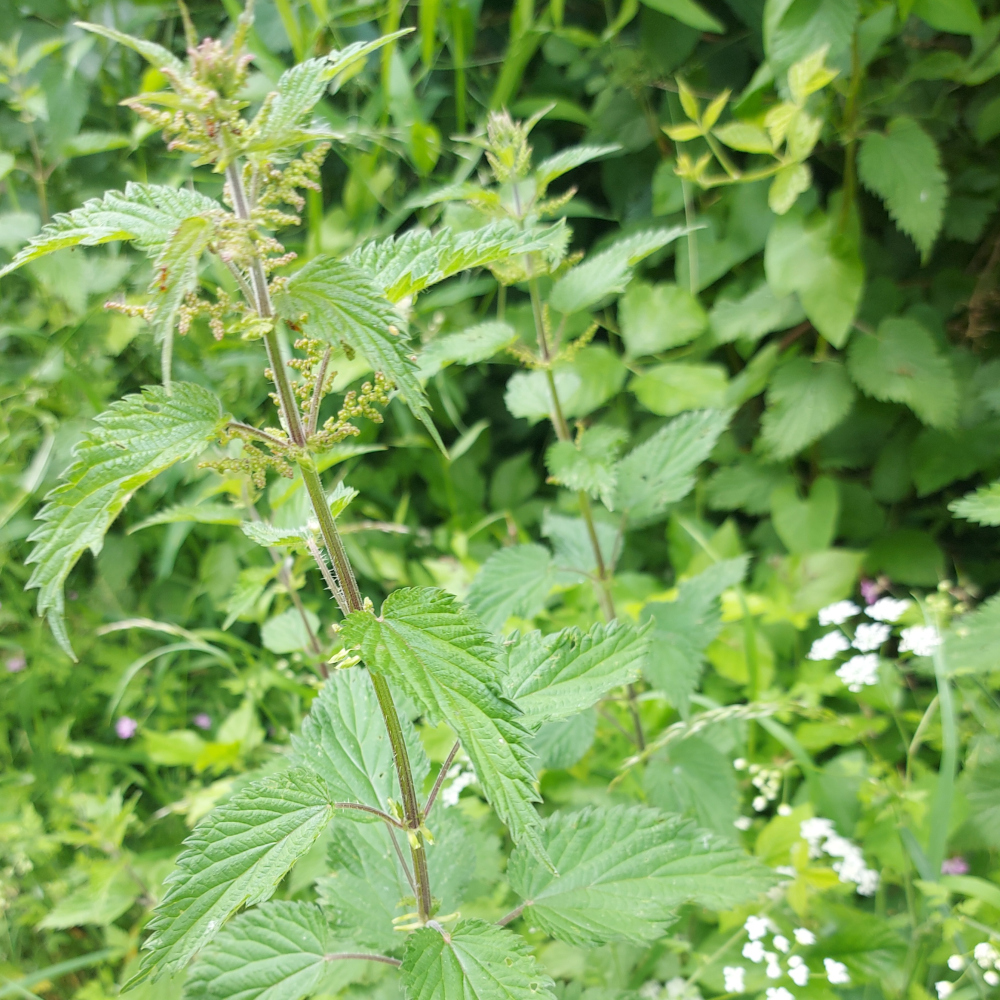 |
| Ribwort Plantain (Plantago Lanceolata) |
Sometimes referred to as a "zombie apocalypse foodstuff", ribwort plantain has minimal flavour and can be tough and fiborous. Leaves can be boiled to soften, seeds can be added as a protein-rich ingredient. The plant contains many of the vitamin classes as well as other core and medicinal nutrients (calcium, antioxidents, antihistamine). | 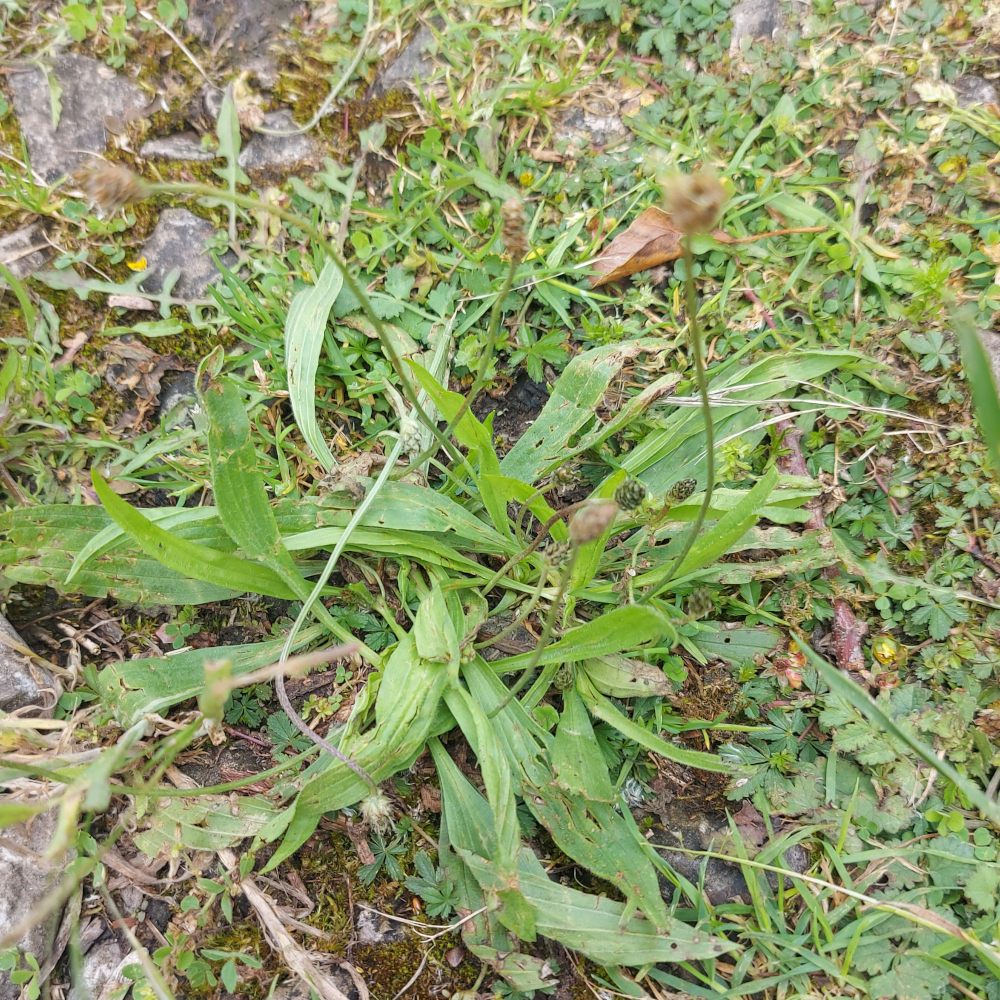 |
| Common Hogweed (Heraculeum Sphondylium) |
A plant to know to identify, to avoid misinterpreting as Giant Hogweed (toxic) or others in the highly-toxic side of the carrot family (Water dropwort, Poison Hemlock). Common Hogweed has large forked leaves, which are not fern-like, and grows about 1.5m tall. The seeds are a slightly sour spice alternative, used traditional in Persian cooking. The roots and young shoots can be used as a pot vegetable for roasting or stewing, but absolutely need careful identification ideally from a mature plant, to avoid confusion with the toxic cousins. | 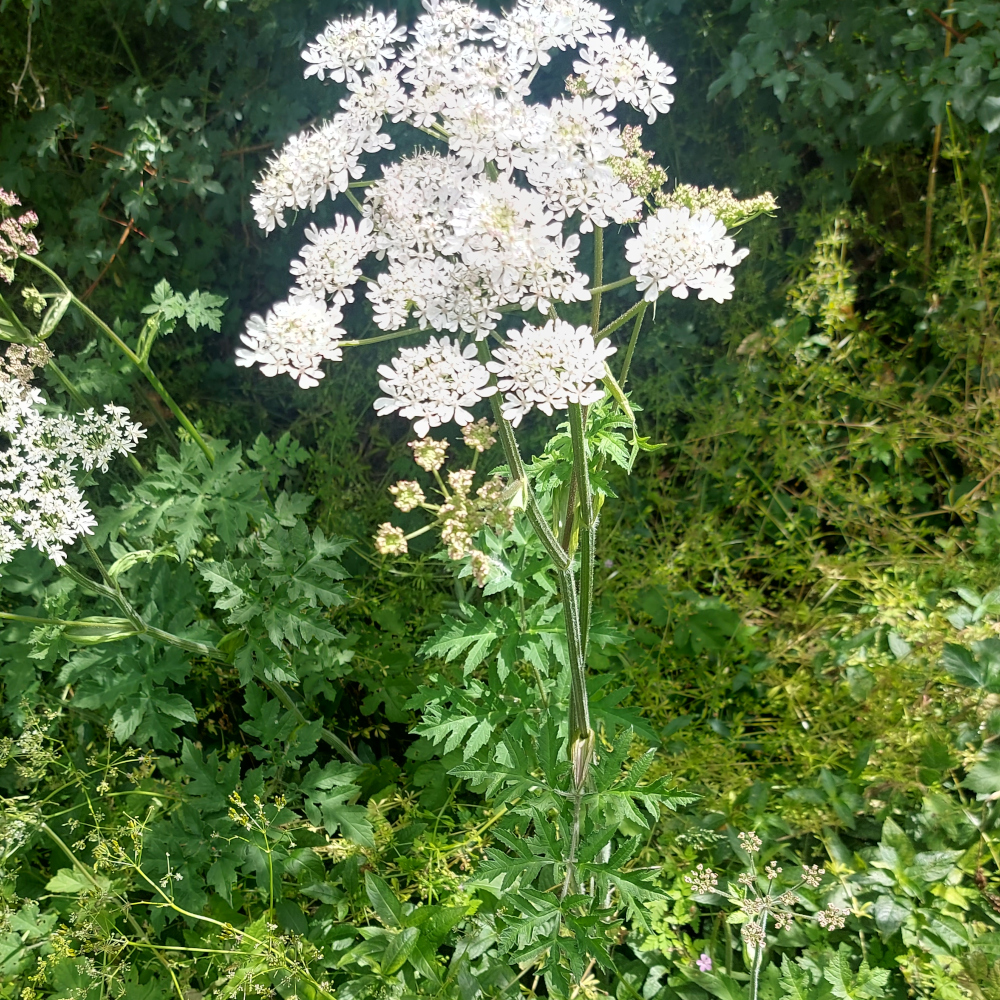 |
| Vetch (Vicia Sativa) |
A member of the pea and bean family (legume) which allegedly has been eaten globally since pre-Roman times. The younger shoots, flower and early seed pods can be eaten in small amounts raw. | 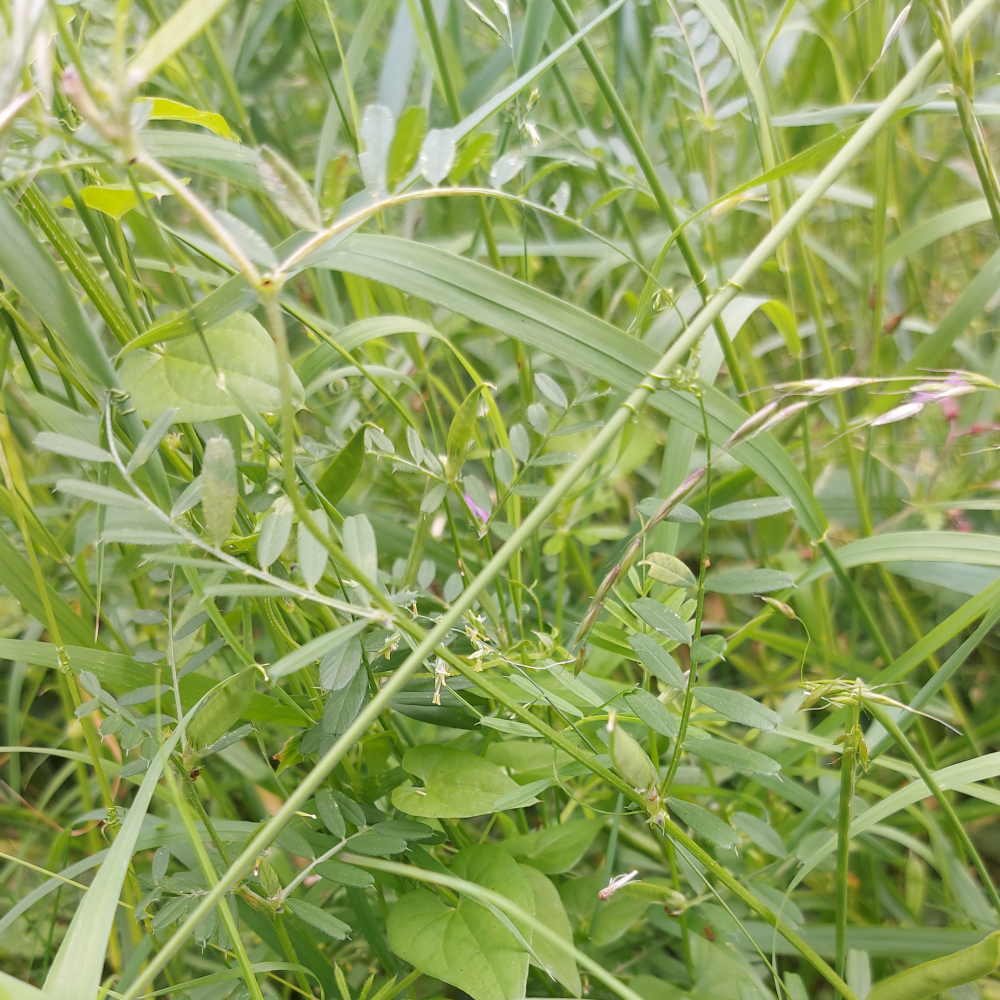 |
| Wild Strawberry (Fragaria Vesca) |
Identifiable by its three-grouped serrated leaves each with a central fold, this is the original source of the fruit prior to human cultivation. Strawberries will develop about a month or two later than commercial varieties, are much smaller and often sweeter. | 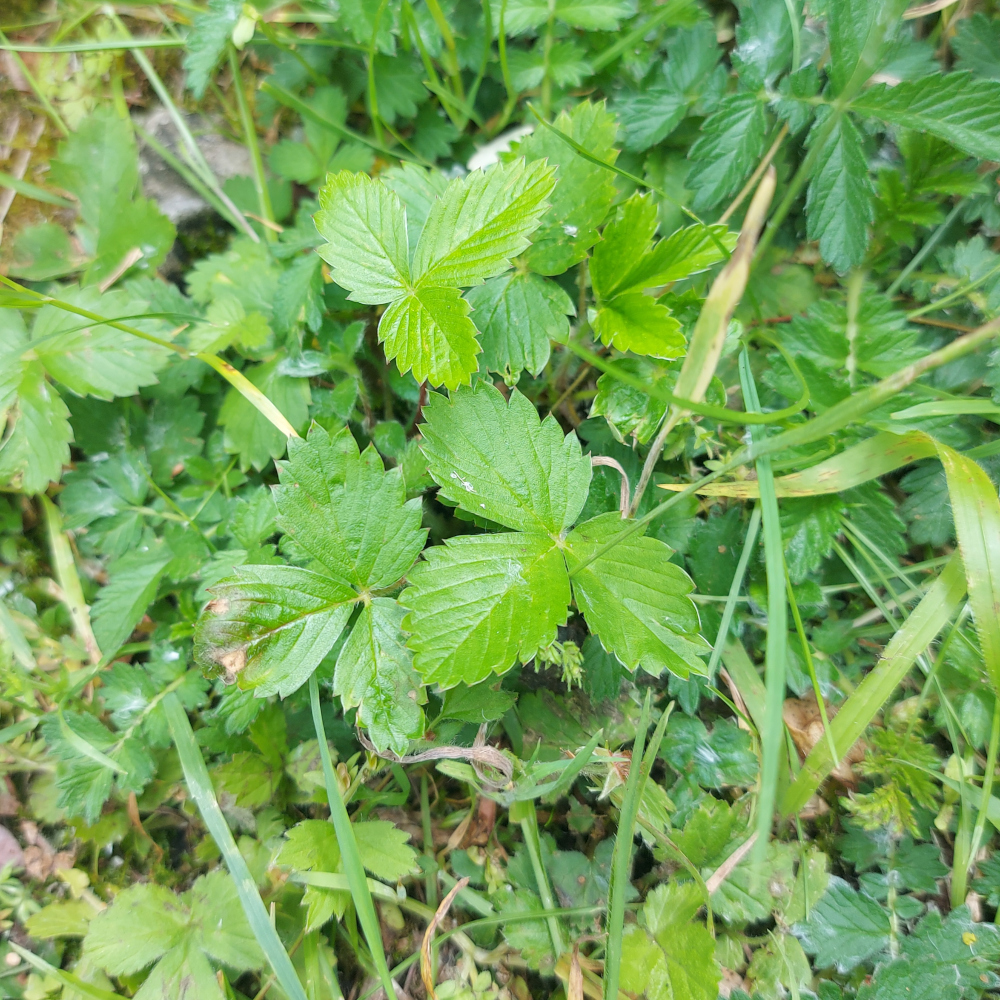 |
| Burdock (Arctium Lappa) |
Known by its spiky seed balls, which attach to any passing hair or clothing, and fondly known as the root ingredient in the traditional soft drink (Dandelion and Burdock). The leaves make great wraps for cooking food in campfire embers, as they are large and tough enough to hold ingredients and do not char well. The roots are best harvested every second year, as the plant cycles biannually between developing the roots or the above ground plant. | 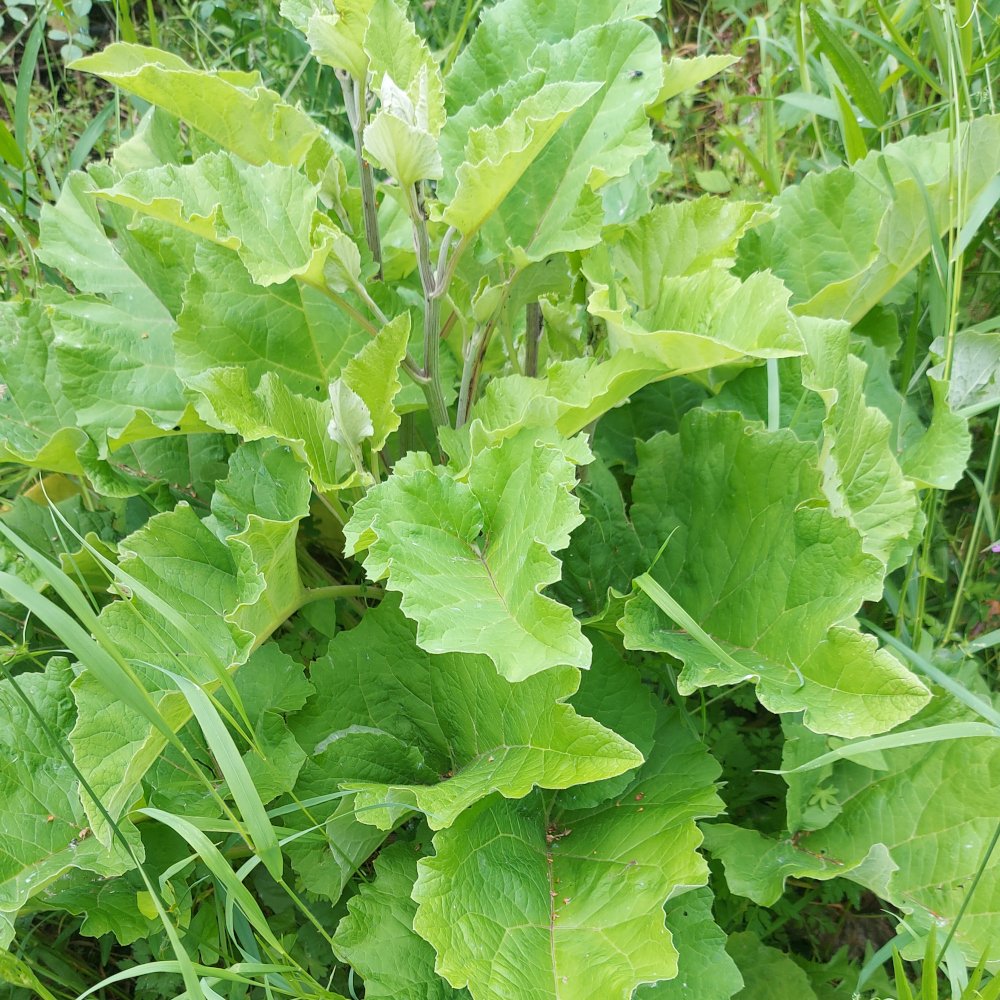 |
| Yarrow (Achillea Millefolium) |
A very well renowned traditional medicine, for soothing wounds, with astringent, antimicrobial and anti-inflammatory properties. Yarrow can chewed directly or brewed with hot water, to soothe stomach pains and to reduce fevers and even reputedly reduce headaches and stress. It has a distinctive pleasant medicinal flavour. | 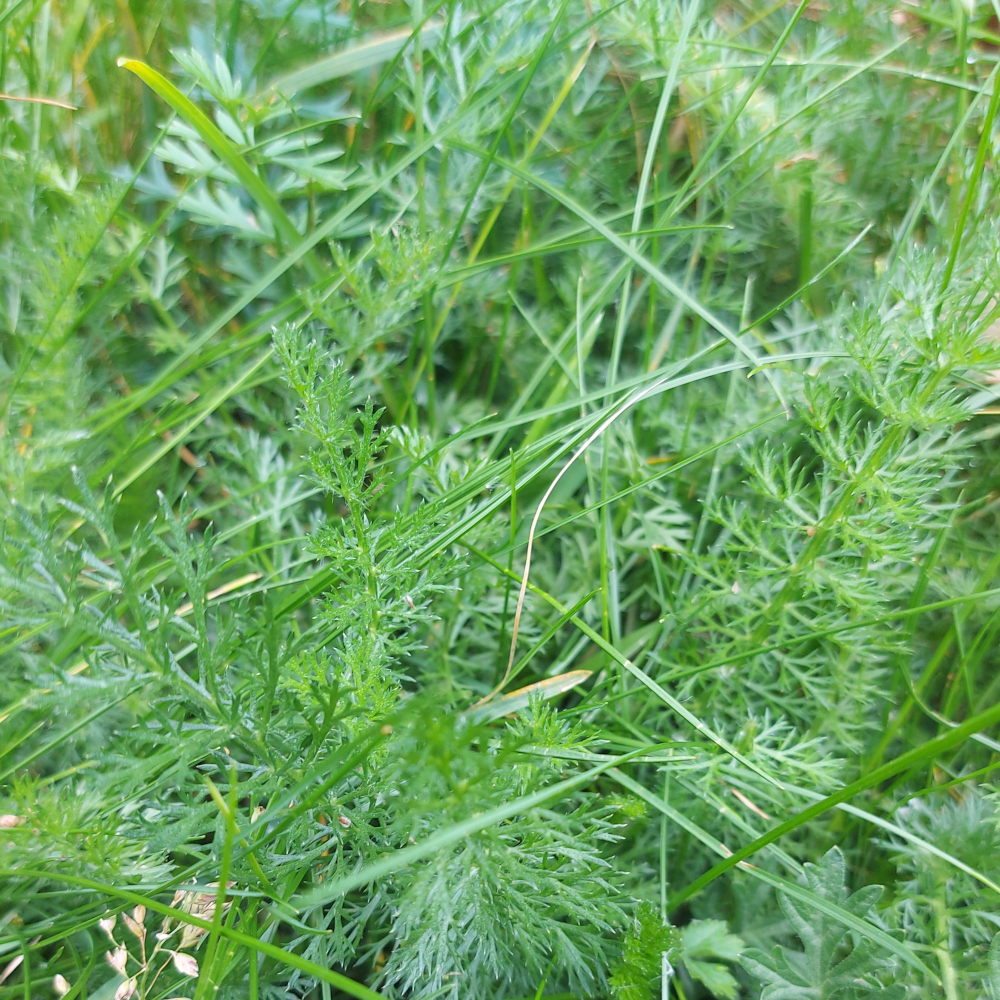 |
| Cleavers (Galium Aparine) |
Known by regional names such as "goose grass", "ladies bedstraw" and "sticky willy", Cleavers is a surprisingly nutritious and useful plant. It is traditionally known as a cleanser of the immune system and digestive systems. It is best eaten as a green vegetable added into stews (where the rough leaves will soften), and can be brewed as a herbal infusion with hot or cold water. The seeds can be harvested later in the year, and ground before brewing as a pseudo-coffee substitute. | 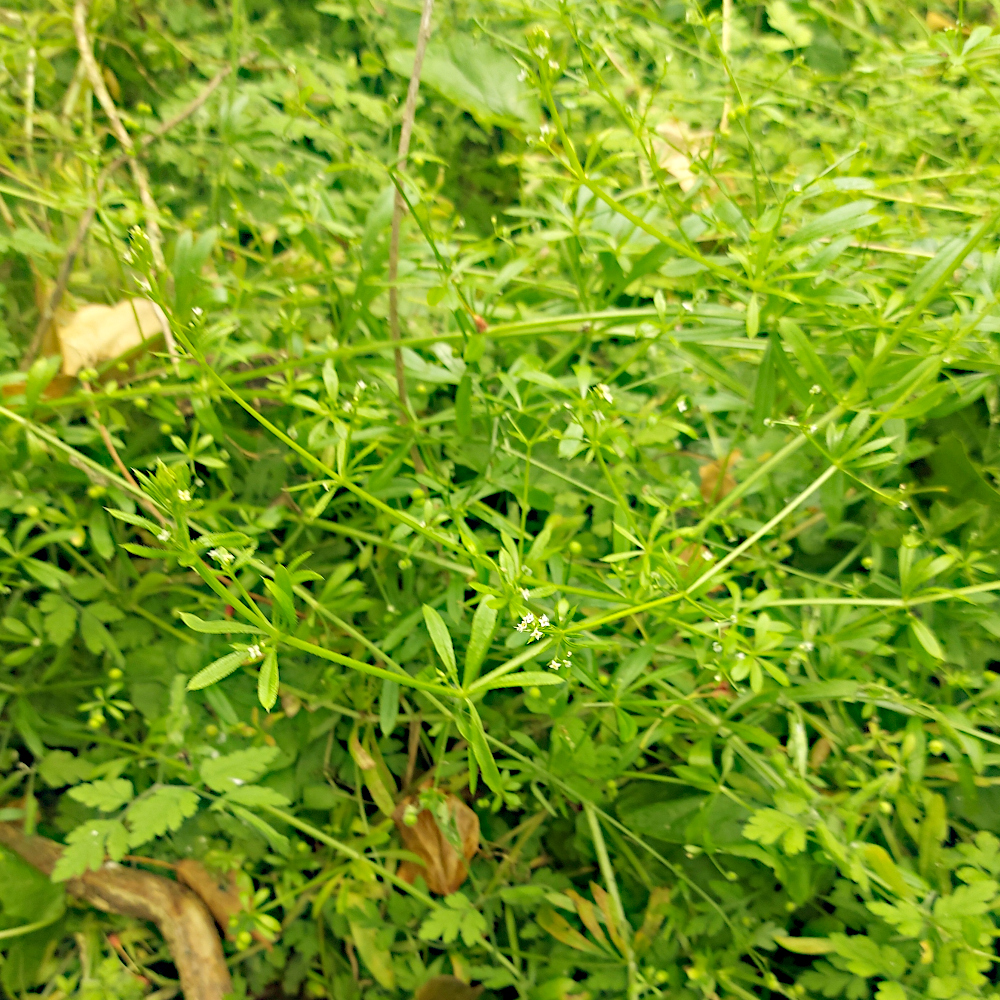 |
| Hedge Garlic (Alliaria Petiolata) |
This is another clearly identifiable plant, having a thin central stem with large, alternate, single serrated leaves. The flavour is slightly garlic-y, and the whole plant can be used in stews or as a salad fresh. As with most large green leaves, it contains plenty of vitamin C and iron. | 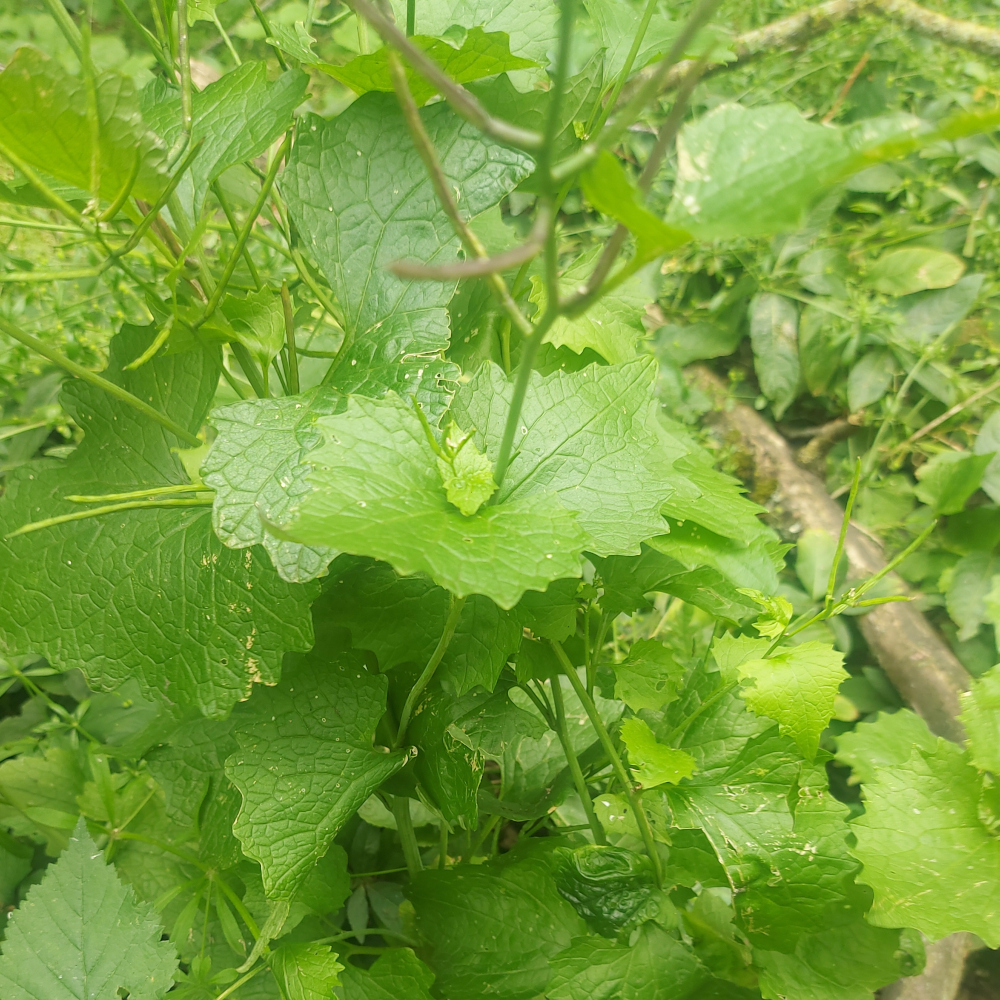 |
| Sow Thistle (Sonchus Oleraceus) |
Despite the semi-aggressive appearance of thistles, many of the families have edible leaves. The sow thistle particularly has fewer and softer spikes. The leaves can be used fresh (younger leaves are more tender) or cooked as a spinach. The plant is related to dandelion, and its root can similarly be roasted and ground to make a coffee-substitute. | 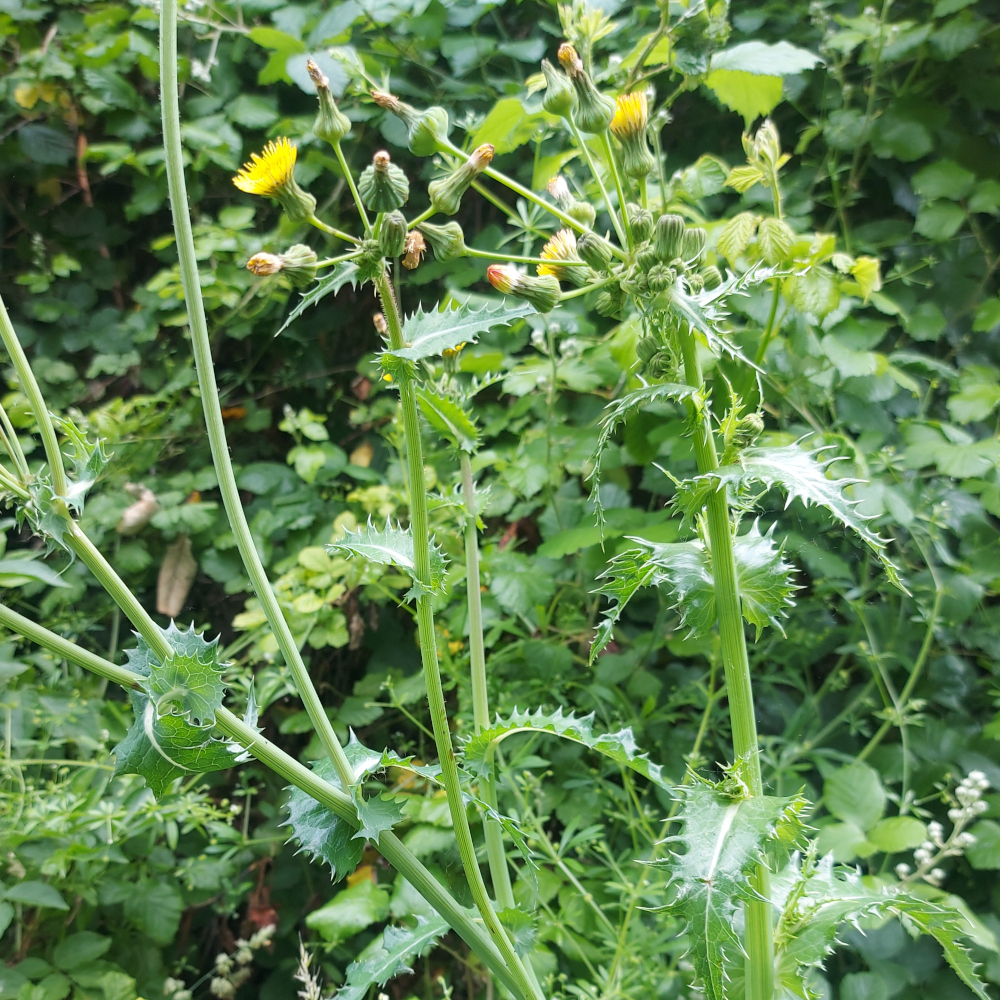 |